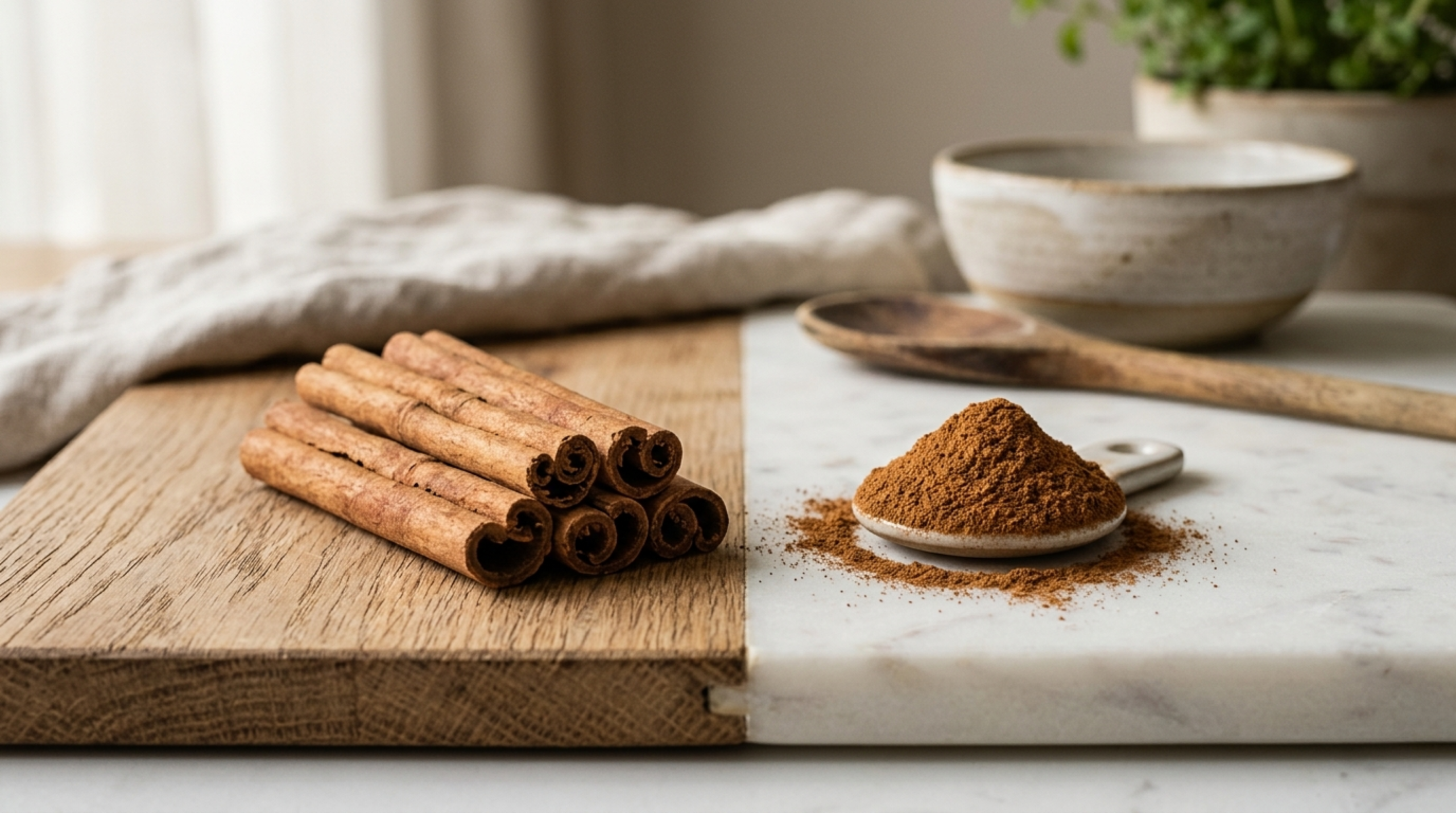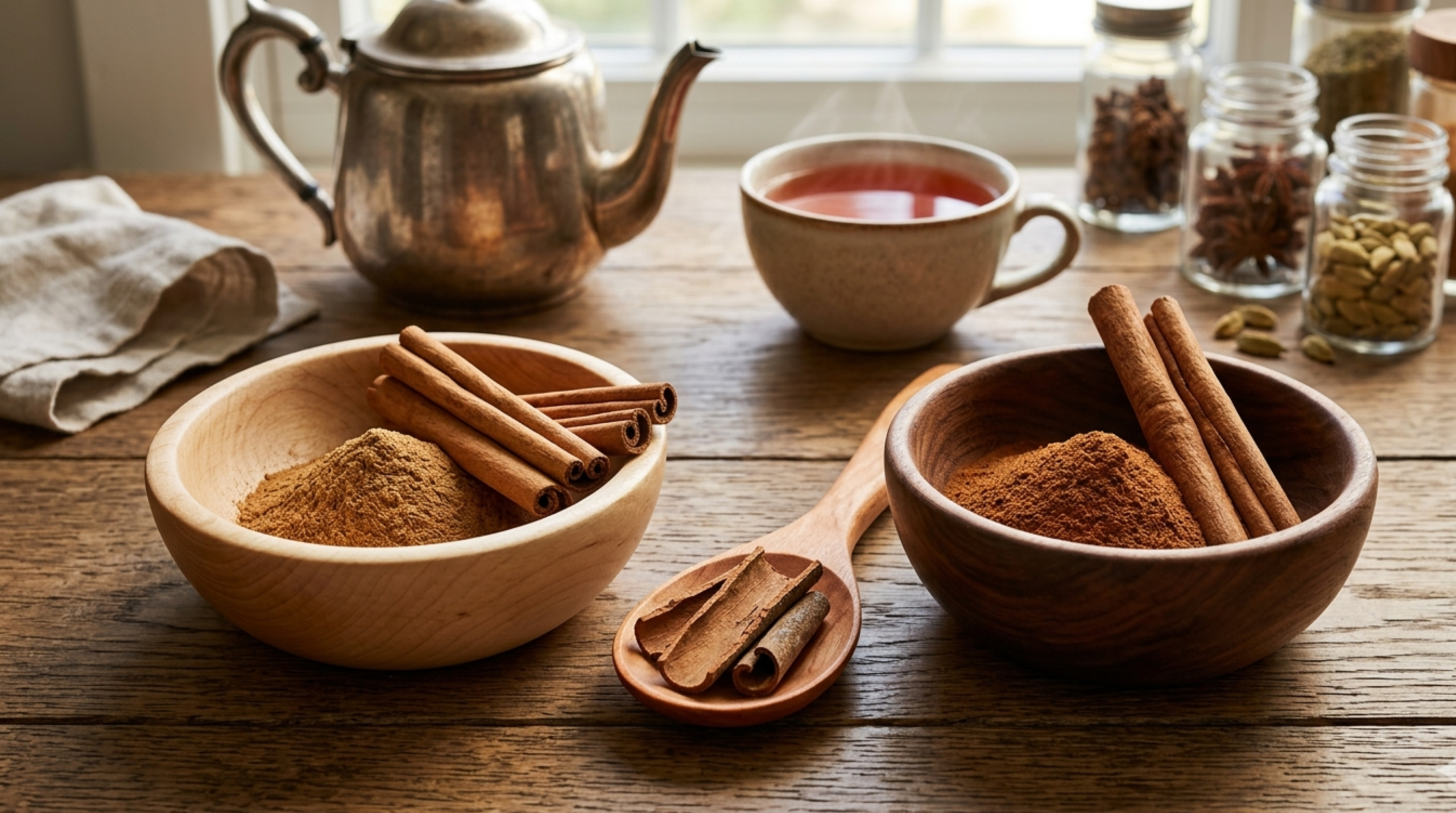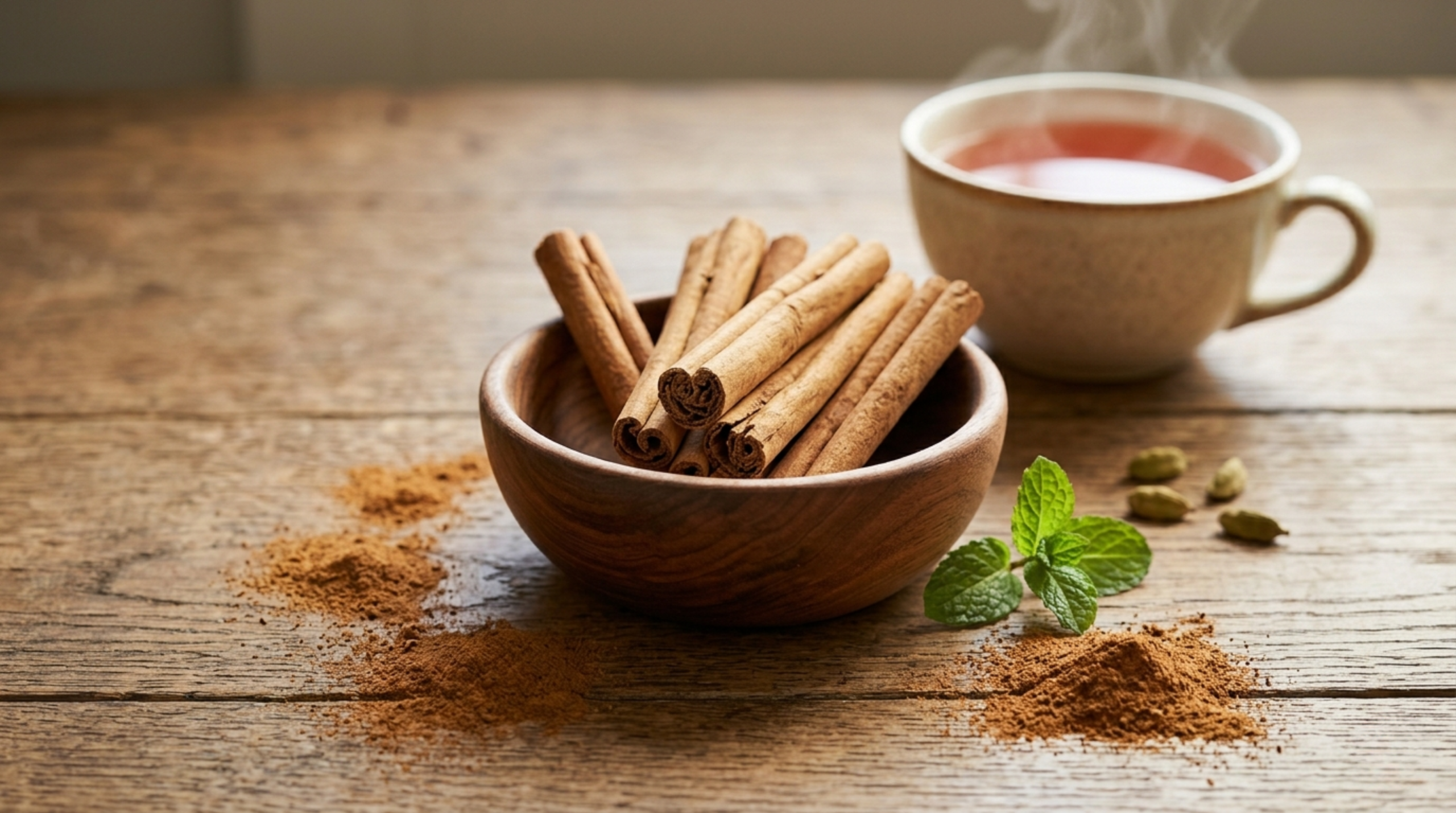
Ceylon Cinnamon vs Cassia Cinnamon: Which Is Safe to Eat Every Day?
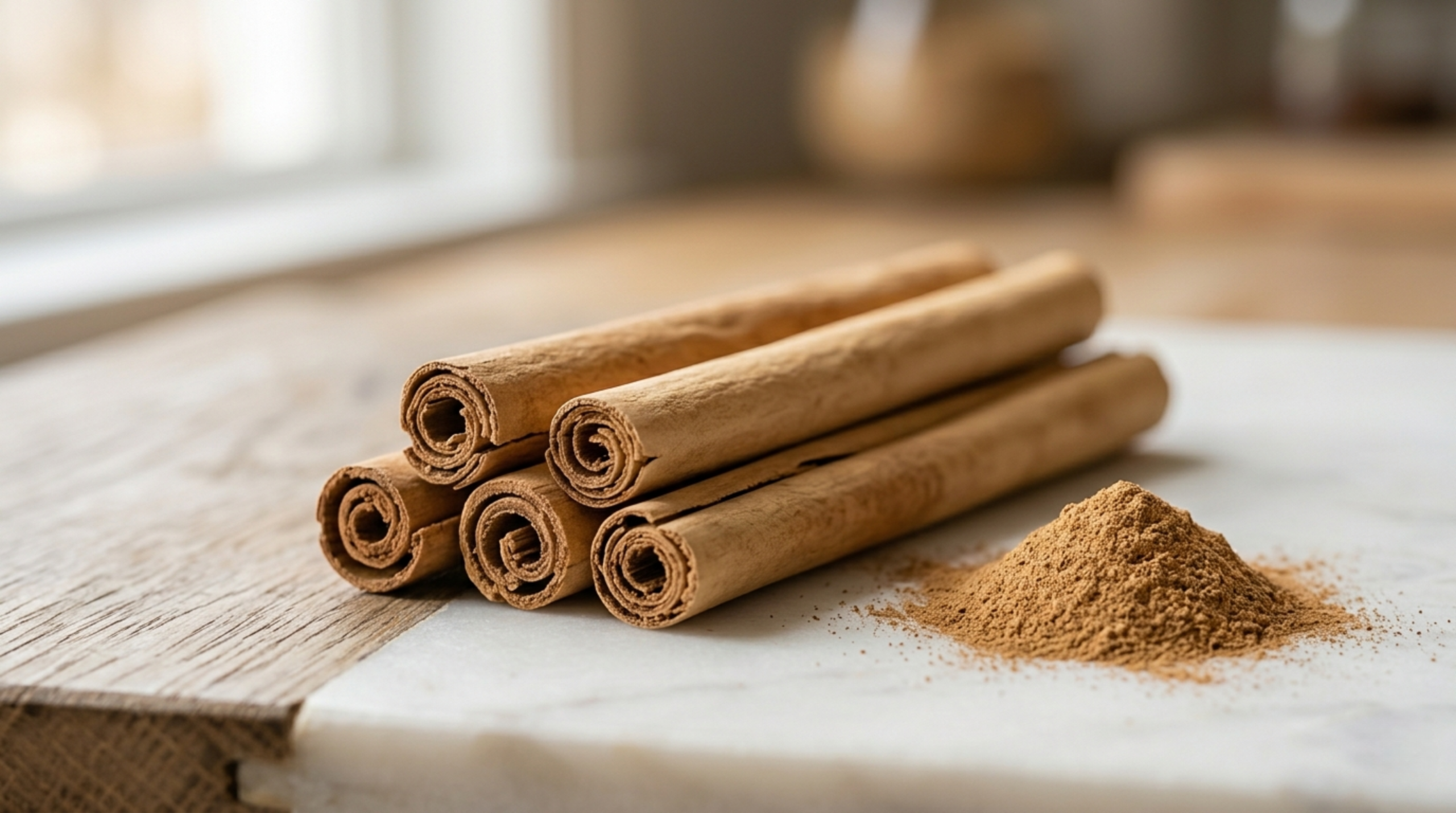
Quick answer: The “cinnamon” in most kitchen cupboards is Cassia — not true cinnamon. Ceylon cinnamon contains up to 350 times less of a liver-toxic compound called coumarin, making it the only type considered safe for daily use. Read on to find out exactly why this matters, how to tell them apart, and which one … Read more
How Ceylon Cinnamon Is Harvested in Sri Lanka (Step-by-Step Guide)

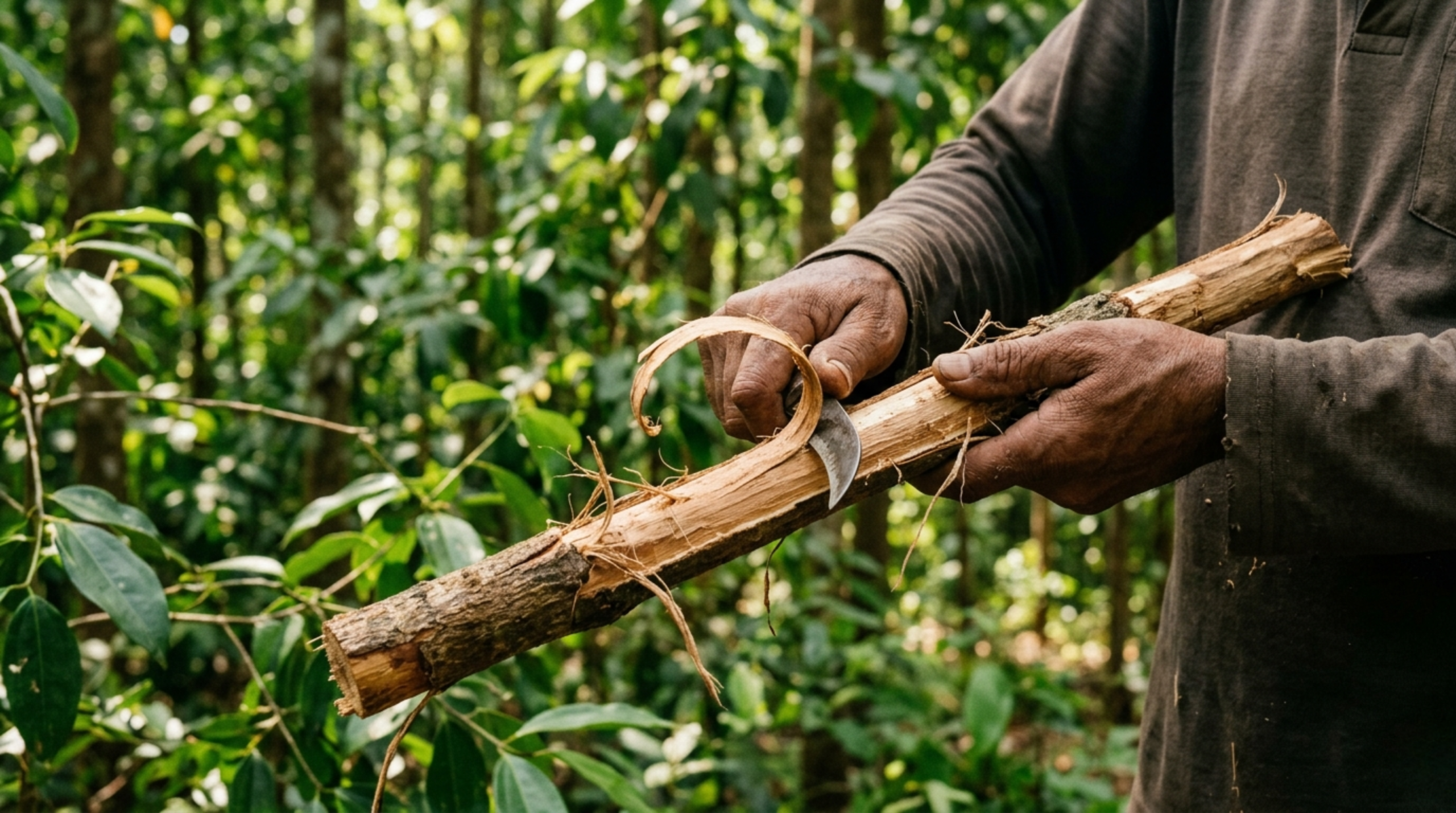
Introduction When people hear “Ceylon cinnamon,” they often think about quality, taste, or health benefits. But very few understand how it’s actually made. The truth is, Ceylon cinnamon from Sri Lanka is not mass-produced like many other spices. It’s carefully harvested by hand, using skills passed down through generations. If you want to understand what … Read more

Cinnamon Tea Recipe for Weight Loss (Simple & Practical Guide)

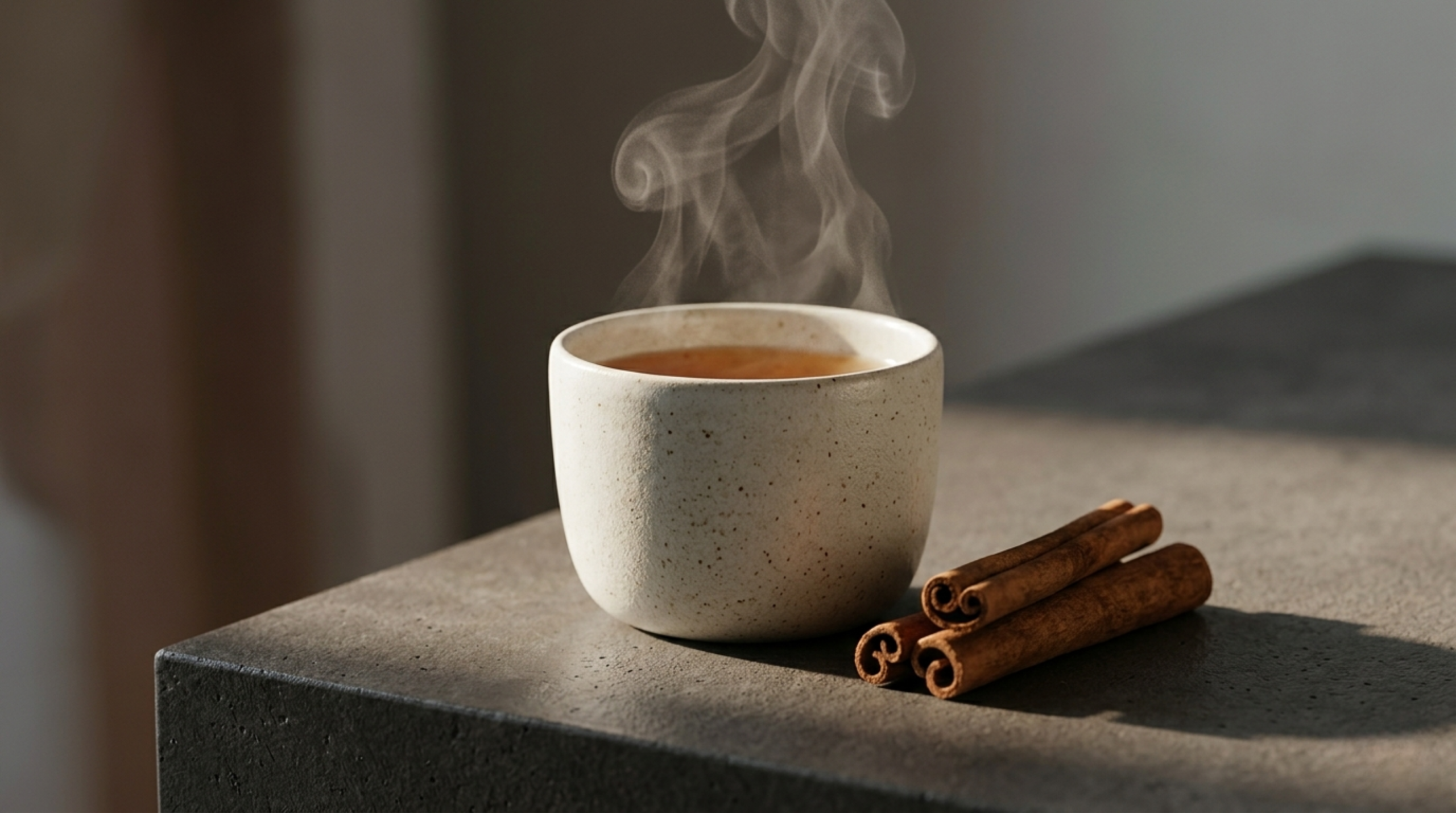
Introduction Many people start drinking cinnamon tea for one reason: weight loss. But here’s the honest truth—cinnamon tea is not a shortcut or a fat-burning trick. What it can do is support better daily habits. It’s warm, calming, and can help you avoid sugary drinks or late-night snacking. If you use Ceylon cinnamon (true cinnamon) … Read more

Ceylon Cinnamon vs Cassia Cinnamon – Complete Guide for Buyers

Introduction Most people think cinnamon is just… cinnamon. But once you look closer, you realize there are two completely different types sold under the same name. This is where confusion starts. If you’re buying cinnamon for daily use—tea, coffee, or health reasons—the difference between Ceylon cinnamon vs Cassia cinnamon actually matters. Not in a complicated … Read more

Health Benefits of Ceylon Cinnamon (Real Cinnamon Explained Simply)

Introduction If you’ve ever searched for the health benefits of cinnamon, you’ve probably seen a lot of bold claims. But here’s the problem: most people don’t realize there are two very different types of cinnamon—and they’re not equal. Ceylon cinnamon, often called “true cinnamon,” is the one traditionally grown in Sri Lanka. It’s milder, lighter … Read more