
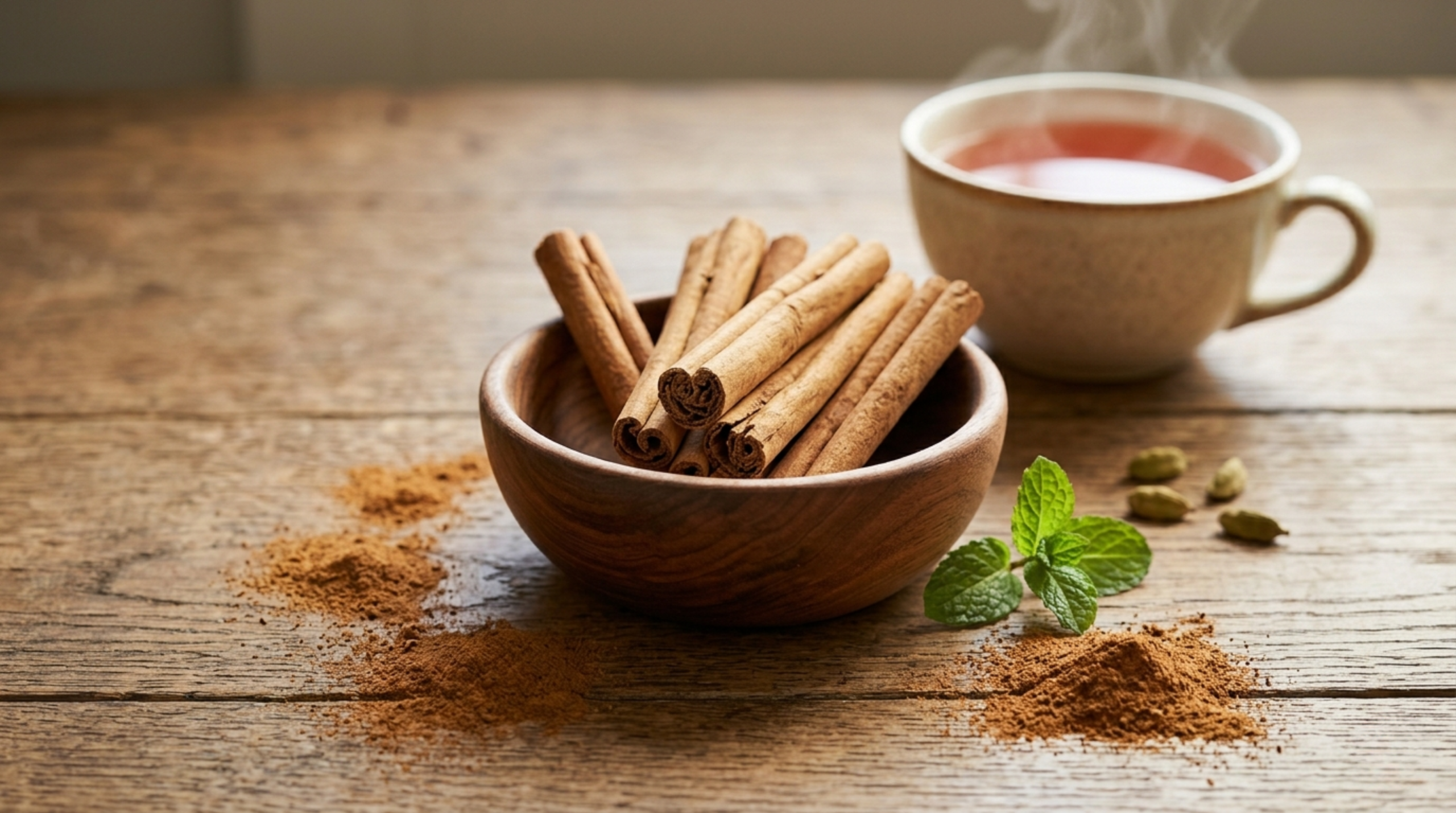
Introduction
If you’ve ever searched for the health benefits of cinnamon, you’ve probably seen a lot of bold claims. But here’s the problem: most people don’t realize there are two very different types of cinnamon—and they’re not equal.
Ceylon cinnamon, often called “true cinnamon,” is the one traditionally grown in Sri Lanka. It’s milder, lighter in color, and used for generations in everyday cooking—not just for flavor, but also for its gentle, everyday benefits.
So what does Ceylon cinnamon actually do? And is it worth choosing over the common supermarket version?
Let’s break it down in a simple, practical way.
Quick Answer: What Are the Health Benefits of Ceylon Cinnamon?
Ceylon cinnamon may help support everyday wellness in small, natural ways:
- Contains natural antioxidants
- May help maintain balanced blood sugar when used regularly
- Supports digestion and gut comfort
- Has mild anti-inflammatory properties
- Gentle and safer for regular use compared to other cinnamon types
It’s not a medicine or a miracle ingredient—but it’s a reliable, everyday spice with real value when used consistently.
What Makes Ceylon Cinnamon Different?
Before talking about benefits, you need to understand this:
Most cinnamon sold worldwide is NOT Ceylon cinnamon.
There are two main types:
1. Ceylon Cinnamon (True Cinnamon)
- Grown mainly in Sri Lanka
- Light brown color
- Thin, soft layers (you can break it easily)
- Mild, slightly sweet taste
2. Cassia Cinnamon (Common Cinnamon)
- Grown in China, Indonesia, Vietnam
- Darker, thicker bark
- Strong, spicy flavor
- More widely available and cheaper
Why this matters
Cassia cinnamon contains higher levels of a compound called coumarin. In large or regular amounts, this is something people prefer to avoid.
Ceylon cinnamon, on the other hand, has very low coumarin levels, which makes it more suitable for daily use.
Key Health Benefits of Ceylon Cinnamon
Let’s keep this real and practical—no exaggeration.
1. Naturally Rich in Antioxidants
Ceylon cinnamon contains plant compounds that help your body deal with everyday stress from diet, pollution, and lifestyle.
What this means for you:
- It supports your body’s natural balance
- Works best as part of a normal, healthy diet
- Not something you “feel” instantly, but useful over time
Think of it like adding a small, consistent advantage to your routine.
2. Helps Support Balanced Blood Sugar
This is one of the most talked-about benefits.
Some people use Ceylon cinnamon as part of their routine to help:
- Avoid sharp sugar spikes after meals
- Maintain steadier energy levels
Important to understand:
- It doesn’t replace diet control
- It works best alongside healthy eating habits
- Effects are usually mild and gradual
In Sri Lanka, it’s common to add cinnamon to tea or meals—not as a treatment, but as a daily habit.
3. Supports Digestion in a Gentle Way
Ceylon cinnamon has been traditionally used for digestion.
In simple terms, it may help with:
- Feeling less heavy after meals
- Supporting gut comfort
- Mild bloating relief
A common real-world use:
- Cinnamon tea after food
- Adding cinnamon to warm drinks or light meals
It’s not a quick fix—but it fits naturally into daily eating.
4. Mild Anti-Inflammatory Properties
Ceylon cinnamon contains natural compounds that may help your body manage minor inflammation.
What this actually means:
- Supports overall wellness
- Complements a balanced lifestyle
- Not a direct or strong effect
Again, this is about long-term consistency, not instant results.
5. Better for Daily Use
This is one of the biggest practical advantages.
Because of its low coumarin content:
- Ceylon cinnamon is safer for regular consumption
- You can use it daily in small amounts
- It fits easily into tea, coffee, or food
This is why many people switch once they understand the difference.
Real Insight: How It’s Used in Sri Lanka
In Sri Lanka, Ceylon cinnamon isn’t treated like a “health product.”
It’s simply part of daily life:
- Added to milk tea
- Used in rice and curry dishes
- Mixed into herbal drinks
- Occasionally chewed in small pieces
The key idea: small amounts, used regularly over time.
That’s very different from how it’s often marketed online.
Common Mistakes People Make
1. Assuming all cinnamon is the same
This is the biggest mistake. Most people are using Cassia without knowing it.
2. Expecting fast or dramatic results
Ceylon cinnamon is not a shortcut. It works slowly, if at all noticeable.
3. Using too much
More is not better. A small daily amount is enough.
4. Buying low-quality or fake “Ceylon” cinnamon
Not everything labeled “Ceylon” is genuine. Quality matters a lot.
How to Use Ceylon Cinnamon (Practical Tips)
You don’t need complicated recipes.
Simple ways to use it:
- Add a small stick to your tea
- Sprinkle powder on oatmeal or yogurt
- Mix into coffee
- Use in rice or light cooking
Recommended approach:
- Use small amounts daily
- Be consistent
- Keep it part of your routine
How to Choose Real Ceylon Cinnamon
If you’re buying for the first time, here’s what to check:
Visual signs:
- Light brown color
- Thin, layered sticks (like rolled paper)
- Easy to break
Taste:
- Mild and slightly sweet
- Not harsh or spicy
Source:
- Ideally from Sri Lanka
- Trusted supplier or brand
Cheap, dark, thick sticks are usually Cassia.
Is Ceylon Cinnamon Worth It?
If you care about:
- Quality ingredients
- Daily wellness habits
- Long-term use
Then yes, it makes sense.
If you’re just looking for strong flavor in baking, Cassia might still be common—but for everyday use, many people prefer Ceylon.
Conclusion
Ceylon cinnamon is not a miracle product—and that’s exactly why it’s valuable.
It’s:
- Simple
- Natural
- Easy to use daily
The real benefit comes from consistency, quality, and understanding what you’re using.
If you switch from regular cinnamon to true Ceylon cinnamon, you’re not just changing a spice—you’re making a smarter everyday choice.
FAQ: Health Benefits of Ceylon Cinnamon
1. Is Ceylon cinnamon healthier than regular cinnamon?
Ceylon cinnamon is generally preferred for daily use because it contains much lower levels of coumarin compared to common cinnamon.
2. Can I take Ceylon cinnamon every day?
Yes, in small amounts as part of food or drinks. That’s how it’s traditionally used.
3. Does Ceylon cinnamon help with weight loss?
There’s no direct effect. It may support better eating habits, but it’s not a weight-loss solution.
4. How much Ceylon cinnamon should I use daily?
A small pinch of powder or a small stick in tea is usually enough for regular use.
5. How do I know if my cinnamon is real Ceylon?
Look for thin, soft layers, a light brown color, and a mild taste. If it’s thick, dark, and strong—it’s likely Cassia.