
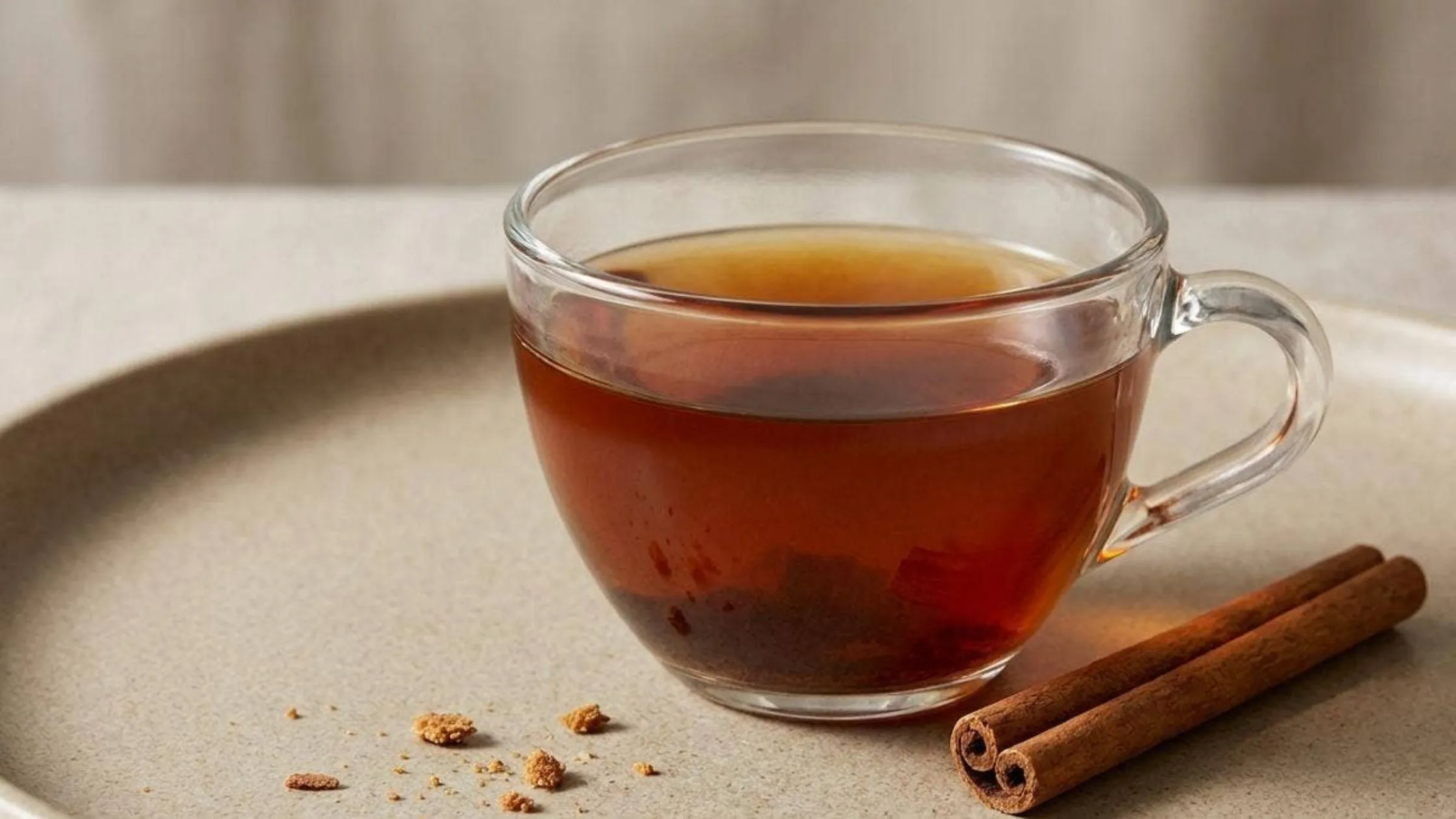
If you’ve got a bundle of Ceylon cinnamon sticks and you’re not sure what to do with them beyond baking, cinnamon tea is the easiest place to start. Ceylon cinnamon quills are thin, soft, and made of many papery bark layers, which means they simmer or steep in water more readily than the thick, hard cassia sticks most people grow up with. You don’t need a tea bag, a fancy infuser, or any special equipment. You need water, a pot, and a little patience while the cinnamon does its work.
This guide walks through exactly how much cinnamon to use, whether you should boil or steep it, how long to leave it in the water, and what to do if your first cup comes out too weak, too strong, or too gritty.
Ceylon Cinnamon Tea at a Glance
- Prep time: 2 minutes
- Simmer/steep time: 10 to 15 minutes
- Total time: About 15 to 20 minutes
- Yield: 1 cup (easily doubled or scaled up)
- Difficulty: Beginner
- Main ingredients: Ceylon cinnamon stick, water
Ingredients
For one cup of basic Ceylon cinnamon tea:
- 1 Ceylon cinnamon stick (about 3 to 4 inches, broken in half)
- 1 cup (240 ml) water
- Honey or sugar, to taste (optional)
That’s the whole base recipe. Everything else in this article — honey and lemon, ginger, tea leaves, orange peel — is a variation you can add once you’ve got the base down.
How to Make Ceylon Cinnamon Tea
- Bring the water to a boil. Pour 1 cup of water into a small saucepan and bring it to a boil over medium-high heat.
- Add the cinnamon stick. Break the stick in half or into a few smaller pieces first. Because Ceylon cinnamon is thin and brittle, it breaks easily by hand and the extra surface area helps it release flavor faster than a whole stick would.
- Lower the heat and simmer. Once the cinnamon goes in, reduce the heat so the water is at a gentle simmer rather than a rolling boil. Let it simmer for 10 to 15 minutes.
- Turn off the heat and let it steep. Remove the pan from the heat and let the cinnamon sit in the hot water for another 5 to 10 minutes. This resting period is when a lot of the flavor and color actually develop, since the compounds in cinnamon bark continue to infuse into the water as it cools slightly.
- Strain and serve. Pour the tea through a fine mesh strainer into a mug to catch any small flakes of bark. Add honey or sugar if you like, and serve hot.
How Long Should You Steep or Simmer Ceylon Cinnamon?
There’s a difference between steeping and simmering, and both have a place in this recipe.
Simmering means keeping the cinnamon in gently bubbling water on the stove. This is the faster way to pull flavor out of the bark, and it’s what most of the process above relies on. A 10-minute simmer gives you a light, mellow cup. Stretching it to 15 minutes produces a noticeably deeper, warmer flavor.
Steeping means letting the cinnamon sit in hot water off the heat, the way you’d steep a tea bag. Ceylon cinnamon continues to release flavor even after the stove is off, so a steep of 5 to 10 minutes after simmering rounds out the cup without making it bitter.
There’s no single “correct” time. If you like a subtle, background cinnamon flavor, stay closer to 10 minutes total. If you want something bolder, let it simmer and steep for closer to 20 minutes combined. Just avoid simmering for much longer than that, since prolonged aggressive boiling can pull out harsher, more bitter notes rather than more sweetness.
How Much Ceylon Cinnamon Should You Use?
For most cups, one 3 to 4 inch Ceylon cinnamon stick per cup (240 ml) of water gives a balanced, drinkable result. Because Ceylon cinnamon is milder than cassia, it’s fairly forgiving, but the strength of your tea still comes down to three things: how much cinnamon you use, how much water it’s diluted in, and how long it’s in contact with the heat.
If you want a stronger cup, you have a few options that don’t involve dumping in extra cinnamon:
- Use less water for the same amount of cinnamon. Simmering one stick in ¾ cup of water instead of a full cup concentrates the flavor.
- Break the stick into smaller pieces. More exposed surface area means faster, fuller extraction.
- Extend the simmer or steep time rather than adding a second stick, so the flavor deepens without tipping into an unpleasantly hot, one-note spice bomb.
If your tea comes out too strong, simply dilute it with a splash of hot water rather than trying to fix it after the fact by adding sweetener.
What Does Ceylon Cinnamon Tea Taste Like?
Ceylon cinnamon tea is mild, warm, and a little sweet on its own, without the sharp, almost peppery heat you get from a cassia-based cinnamon tea. Ceylon’s flavor comes largely from compounds like linalool and eugenol alongside cinnamaldehyde, which is part of why it reads as more floral and citrus-tinged rather than hot and spicy.
Expect notes of light sweetness, a soft woody warmth, and a faint citrus or floral quality in the background. It’s closer to a gentle spiced infusion than an intense “cinnamon candy” flavor. Cassia cinnamon tea, by contrast, tends to taste stronger, spicier, and slightly bitter if oversteeped, because cassia bark contains a much higher concentration of the compounds responsible for that sharp heat.
Ceylon Cinnamon Tea With Honey and Lemon
Honey and lemon turn a simple cinnamon infusion into something that feels more like a cold-weather comfort drink.
Add honey after straining the tea and letting it cool slightly, since very hot liquid can affect honey’s flavor and some of its more delicate compounds. A teaspoon per cup is a reasonable starting point; adjust to taste.
A squeeze of fresh lemon juice, about half a teaspoon to a full teaspoon per cup, brightens the drink and plays well against cinnamon’s warmth. Add it at the end rather than during simmering, since the acidity doesn’t need heat to blend in and adding it too early won’t improve the flavor.
Ceylon Cinnamon and Ginger Tea
Fresh ginger adds a sharper, spicier edge that contrasts nicely with Ceylon cinnamon’s softer profile.
Add 3 to 4 thin slices of fresh ginger (or about ½ teaspoon of ginger powder) to the pot at the same time as the cinnamon stick, so both simmer together for the full 10 to 15 minutes. Strain both out before serving. If you want a stronger ginger kick, use a slightly larger knob of fresh ginger rather than extending the simmer time excessively, since ginger can turn the tea sharp and almost peppery if left in too long.
Can You Add Tea Leaves?
Yes, and this is a common way to turn a plain cinnamon infusion into something closer to a spiced tea. Add black tea or green tea leaves (or a tea bag) after you’ve finished simmering the cinnamon, then let everything steep together off the heat for 3 to 5 minutes.
Keep in mind this changes what you’re drinking. A cinnamon-only infusion is naturally caffeine-free, while adding black or green tea leaves introduces caffeine and a different flavor base — black tea brings tannins and a bolder body, green tea is lighter and slightly grassy. Both pair reasonably well with Ceylon cinnamon’s mild sweetness, but steep the tea leaves briefly so they don’t turn bitter.
Can You Make Ceylon Cinnamon Tea With Powder?
Yes, Ceylon cinnamon powder works, though it behaves differently from a stick. Ground cinnamon disperses much faster into hot water, which means you get a strongly flavored cup in less time. But it doesn’t fully dissolve, so it leaves a fine sediment at the bottom of the mug even after straining through a standard mesh strainer.
For a smoother cup with powder:
- Use about ¼ to ½ teaspoon of Ceylon cinnamon powder per cup of water.
- Simmer briefly, around 5 minutes, since powder extracts much faster than a whole stick.
- Strain through a fine cloth or coffee filter rather than a regular mesh strainer if you want to minimize grit.
Sticks generally produce a cleaner, clearer cup because the bark stays intact and is easy to remove whole. Powder is more convenient and faster, but expect a slightly cloudier, more textured drink. For a closer look at how the two forms compare for cooking and brewing more broadly, see [Ceylon Cinnamon Sticks vs Powder: Which Should You Buy?] (future internal link once published).
Can You Reuse Ceylon Cinnamon Sticks?
You can reuse a Ceylon cinnamon stick for a second infusion, but expect noticeably less flavor the second time around. Most of the aromatic oils are extracted during the first simmer, so a reused stick will produce a lighter, thinner cup even with a longer steep.
If you want to reuse a stick:
- Let it dry out between uses rather than storing it wet, since a damp cinnamon stick sitting at room temperature is more prone to mold growth.
- Use it within a day or two of the first infusion.
- Expect to simmer it a few extra minutes on the second round to compensate for the weaker flavor.
Avoid reusing the same stick more than twice. Beyond that point you’re mostly simmering flavorless bark, and a stick that’s been sitting around wet for multiple days isn’t worth the food-safety risk for the small amount of flavor it still holds.
How to Store Leftover Ceylon Cinnamon Tea
If you’ve made more tea than you’ll drink right away, let it cool to room temperature, then transfer it to a sealed, airtight container and refrigerate it. Leftover cinnamon tea generally keeps well in the fridge for a few days; if it develops an off smell, cloudiness beyond the usual sediment, or an unusual taste, discard it rather than drinking it. Reheat gently on the stove or in the microwave, or serve it cold over ice.
Don’t leave brewed tea sitting out at room temperature for extended periods, and don’t try to stretch its shelf life indefinitely. Like any homemade infusion without preservatives, it’s best treated as a short-term refrigerator item rather than something to batch and store for weeks.
Ceylon Cinnamon Tea vs Cassia Cinnamon Tea
The biggest difference between the two comes down to intensity. Ceylon cinnamon is generally milder, sweeter, and more delicate, with subtle citrus and floral notes. Cassia cinnamon, which is what most grocery store “cinnamon sticks” actually are, produces a stronger, hotter, more assertive cup that can turn slightly bitter if oversimmered.
Neither is objectively better for tea. If you want a gentle, sippable drink you can enjoy without added sweetener, Ceylon is the easier choice. If you want a bold, spicy cup that stands up well to milk or a strong dose of honey, cassia holds its own. For a fuller comparison of how the two spices differ beyond tea, see [Ceylon Cinnamon vs Cassia: What’s the Difference?] (future internal link once published).
Is Ceylon Cinnamon Tea Good for You?
Cinnamon, including the Ceylon variety, has been studied for a range of potential health effects, but drinking cinnamon tea isn’t a substitute for medical treatment and shouldn’t be treated as one. If you’re interested in what the actual research says about cinnamon and health, see [Ceylon Cinnamon Benefits: What the Research Actually Says] (future internal link once published) for a more detailed look at the evidence.
For the purposes of this recipe, think of Ceylon cinnamon tea as a warm, low-calorie drink with a pleasant flavor rather than a health product.
Common Mistakes When Making Cinnamon Tea
- Using too much cinnamon. More isn’t automatically better. Too much cinnamon in too little water produces an overpowering, almost medicinal cup. Start with one stick per cup and adjust from there.
- Boiling too aggressively for too long. A hard, rolling boil for 20-plus minutes can pull out bitter, harsh notes instead of more sweetness. A gentle simmer works better than an aggressive boil.
- Expecting powder to dissolve completely. Ground cinnamon will always leave some sediment. Strain through a fine cloth if you want a clearer cup.
- Using stale cinnamon. Cinnamon sticks lose potency over time. If your tea tastes weak even after a long simmer, the stick itself may be old.
- Adding honey while the tea is extremely hot. Let the tea cool slightly first so you don’t affect honey’s flavor and delicate compounds.
- Reusing a stick too many times. Flavor drops off sharply after the first use. Don’t expect a third infusion to taste like much.
- Making the tea too strong out of habit. If you’re used to cassia, remember Ceylon is milder by nature. Match your quantities to the type of cinnamon you’re actually using.
Easy Ceylon Cinnamon Tea Variations
- Ceylon cinnamon, honey, and lemon: A classic combination that adds sweetness and brightness.
- Ceylon cinnamon and ginger: Adds warmth and a spicier edge.
- Ceylon cinnamon and black tea: Turns the infusion into a more traditional, caffeinated tea.
- Ceylon cinnamon and orange peel: A strip of orange peel added during the simmer brings out Ceylon cinnamon’s naturally citrus-like undertones.
The Bottom Line
Ceylon cinnamon tea comes down to a simple ratio and a bit of patience: one broken stick per cup of water, a 10 to 15 minute simmer, and a short steep off the heat. From there, everything else — honey, lemon, ginger, tea leaves, orange peel — is just a way to adjust the drink to your taste. Because Ceylon cinnamon is naturally mild, it’s hard to get a genuinely bad cup as long as you don’t oversimmer it or use too much for the amount of water.
Recipe Card
Ceylon Cinnamon Tea
Yield: 1 cup Prep time: 2 minutes Simmer/steep time: 10 to 15 minutes Total time: About 15 to 20 minutes
Ingredients:
- 1 Ceylon cinnamon stick (3 to 4 inches), broken in half
- 1 cup (240 ml) water
- Honey or sugar, to taste (optional)
Instructions:
- Bring the water to a boil in a small saucepan.
- Add the broken cinnamon stick and reduce the heat to a gentle simmer for 10 to 15 minutes.
- Remove from heat and let steep for 5 to 10 minutes.
- Strain into a mug, sweeten if desired, and serve hot.
Optional additions: honey and lemon, fresh ginger slices, black or green tea leaves, a strip of orange peel.
Storage: Cool to room temperature, then refrigerate in an airtight container for a few days. Discard if it develops an off smell or taste.
FAQ
How do you make Ceylon cinnamon tea? Simmer a broken Ceylon cinnamon stick in a cup of water for 10 to 15 minutes, then let it steep off the heat for 5 to 10 minutes before straining and serving.
How many cinnamon sticks should I use for one cup? One 3 to 4 inch stick per cup of water is a good starting point. Adjust the water amount or simmer time to make it stronger or weaker rather than adding a second stick right away.
Should I boil or steep cinnamon sticks? Both. A gentle simmer extracts flavor efficiently, and steeping afterward, off the heat, rounds out the taste. Avoid an aggressive, prolonged boil, which can make the tea bitter.
Can I reuse Ceylon cinnamon sticks? Yes, once, with noticeably less flavor the second time. Don’t reuse a stick more than twice, and don’t store a used, damp stick for more than a day or two before reusing it.
Can I make cinnamon tea with powder? Yes. Use about ¼ to ½ teaspoon of Ceylon cinnamon powder per cup, simmer briefly, and strain through a fine cloth to reduce sediment.
Can I add honey and lemon? Yes. Add honey once the tea has cooled slightly, and add lemon juice at the end rather than during simmering.
What does Ceylon cinnamon tea taste like? Mild, warm, and gently sweet, with soft citrus and floral undertones, in contrast to the stronger, spicier flavor of tea made with cassia cinnamon.